The harsh reality of how women have been portrayed on screen
From past to present. Are women still shown merely for the male gaze?
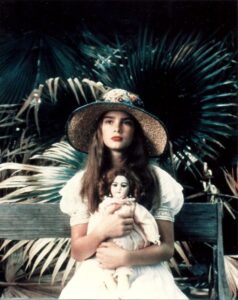
Image courtesy of Flickr
Women have long been mere objects of desire in film, they haven’t been understood or heard, they’ve been watched.
In 1978, 12-year-old Brooke Shields starred in Pretty Baby, portraying the daughter of a prostitute in a New Orleans brothel. The film’s controversial content and Shields’ age sparked outrage around the sexualisation of minors in Hollywood. Decades later, Shields reflected on how she was exploited by nearly everyone around her, including her own mother. Shields’ experience is not an isolated case but rather a loophole into a wider issue.
Two years earlier, Jodie Foster also stepped into an adult world at age 12 when she played a child sex worker in Martin Scorsese’s Taxi Driver (1976). While Foster has spoken about the professional environment created to protect her, the fact remains that she, too, was exposed to a role heavy with adult themes before she was a teenager. These examples demonstrate how early the industry conditions girls to be seen as women, and women to be seen as objects.

Image courtesy of Flickr
Looking back, the way female characters were portrayed on screen is jarring by today’s standards. In classic films, women often lacked complexity; they were accessories to more developed male leads. According to a 2020 analysis by Ars Technica, women held significant creative roles in the 1910s, making up roughly 20% of screenwriters and 5% of directors and producers. But with the rise of the studio system in the 1930s, those numbers plummeted. By 1930, women comprised only 12% of screenwriters and 2% of directors.
“Before corporate figures became interested in films and turned moviemaking into a hyper-financialised, profit-obsessed industry, there were lots of very famous white women filmmakers,” says Dr. Rebecca Harrison, researcher and creative practitioner.
The dominance of the male gaze in storytelling created archetypes that glorified unattainable ideals. Marilyn Monroe and Brigitte Bardot embodied the era’s blonde bombshell fantasy, their beauty standards trickling down even to animated characters like Jessica Rabbit and Betty Boop, designed with hyper-feminine, unrealistic proportions. Although cartoons like these were not always targeted at children, their legacy influenced many modern characters in youth media. A study showed that 70% of thin protagonists in popular cartoons were female, and nearly all positive appearance-related comments were directed at slim characters.
Things have improved today, but we do still have a long way to go. Actresses such as Megan Fox have spoken out about how their image was shaped by male directors. Fox’s breakout role in Transformers under Michael Bay became a textbook example of how a female character can be reduced to eye candy. As she bent over the hood of a car, her purpose was clear.

Image courtesy of Flickr
The “Celluloid Ceiling” a term describing the lack of women in key behind-the-scenes roles, is still a term that lingers today. The 2023 Celluloid Ceiling Report revealed that in the top 250 grossing films, women made up only 14% of directors, 19% of writers, 24% of producers, 22% of executive producers, 20% of editors, and just 6% of cinematographers.
A 2024 study by the Geena Davis Institute found that female characters are nearly five times more likely than male characters to be objectified (3.3% vs. 0.7%), and three times more likely to wear sexually revealing clothing (7.4% vs. 2.5%). Another analysis of 1,100 films showed that 25.4% of women had roles involving some nudity, compared to 9.6% of men. Moreover, women are nearly four times more likely to be shown completely nude.
Shows like HBO’s Euphoria further confuse representation and exploitation. Sydney Sweeney’s character Cassie Howard is laden with scenes of nudity and sexual vulnerability. While the show aims to portray the complexities of teenage life, it has sparked debate about whether it perpetuates the very tropes it seeks to critique.
“One audience member’s interpretation of a woman character could be ‘object of the male gaze,’ while to another she’s a ‘feminist icon.’ Context, subjectivity, and whose perspectives we privilege all play a part in determining how we read a character’s representation” says Harrison.
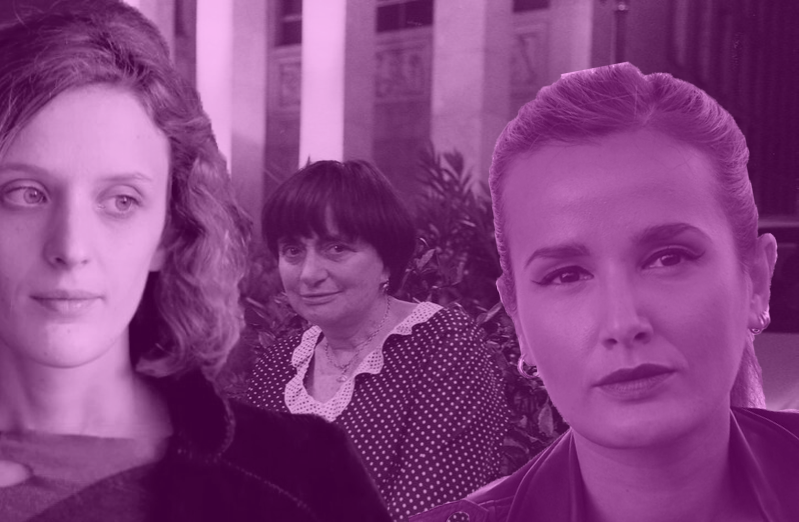
We are witnessing a growing confidence in the work of female directors, placing women at the forefront. Greta Gerwig, Sofia Coppola, Chloé Zhao, Emerald Fennell, and Coralie Fargeat are creating layered, resonant portrayals of womanhood. Their films often explore themes of autonomy, trauma, and empowerment, refusing to flatten their characters into stereotypes.
There’s a shift happening, particularly among younger filmmakers and crews. Film graduate Beata Jamroziak confidently stated “Once I realised my worth, people around me just followed.”
Dr Becca Harrison, also adds “Every film made by someone marginalised by the state, whether by class, gender, race, sexuality, disability, is not only bringing about a slow kind of change, but also has the potential to galvanise resistance, to offer hope, to inspire further change.”
Some actresses are also reclaiming control over their careers. Nicole Kidman has become known for working only with directors who offer substance and respect. In 2023, she stated, “I want to work with Martin Scorsese if he does a film with women” She has also inserted clauses in her contracts to control how her body is shown on screen, including in Eyes Wide Shut, where she had the final say on her nude scenes.
Emma Watson has also been a consistent voice in the fight for equality in Hollywood. Speaking in 2015, she revealed, “I have been directed by male directors 17 times and only twice by women. Of the producers I’ve worked with, 13 have been male and only one has been a woman”. Through initiatives like the HeForShe campaign, Watson continues to push for structural change, emphasising the need for women in both creative and decision-making roles.
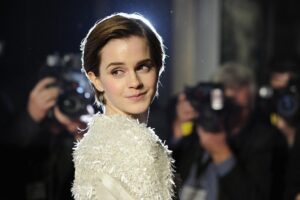
Image courtesy of Flickr
The persistent objectification of women in film and television is not merely a relic of the past; it reflects the reality of being a woman. Change requires more than just awareness; we need more women involved in film. That includes hiring more women behind the scenes, enforcing ethical guidelines for portrayal, and celebrating narratives that reflect the complexity of women’s lived experiences.
As Beata puts it, “I think this is a good time for women to realise how much advantage we have at the moment and use it”.
Audiences are ready. The appetite for deeper, richer, and more respectful portrayals of women is growing. The challenge now lies with an industry still catching up.